
How to Tell When Your Commercial Concrete Floors Need an Epoxy Upgrade
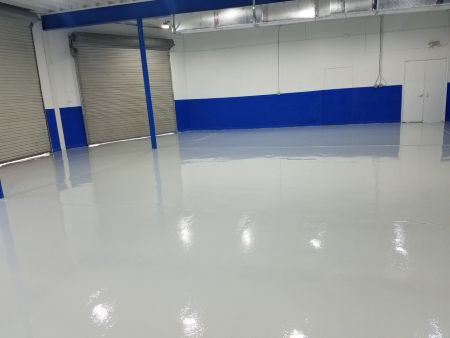
Your floors work as hard as your people. If your Tampa Bay facility is seeing chips, stains, or worn lanes, it may be time to consider commercial epoxy floors that stand up to heat, moisture, and heavy traffic.
From warehouses along the I‑4 corridor to restaurants in Ybor City and distribution hubs in the Gateway area, commercial spaces around Tampa, St. Petersburg, and Clearwater face unique stress. This guide shows you the practical signs that your concrete needs a new system, how pros confirm what you’re seeing, and what to expect so operations keep moving. For quick answers, call 941-702-2171 to speak with Kwekel Epoxy Floors.
Commercial Epoxy Flooring In Tampa Bay: Quick Signs You Need An Upgrade
You don’t need a lab to spot many early warnings. Walk your floor during normal operations and look for changes in texture, color, and performance.
- Worn traffic lanes that look dull or gray while surrounding areas still shine
- Forklift turning zones that feel smooth and slick even when dry
- Staining that returns after cleaning, especially from oils, brine, or citrus
- Spider cracks that collect dust and make sweeping harder
- Topcoat peeling at edges, drains, or thresholds where moisture lingers
- Patchwork repairs that don’t bond and pop loose within weeks
Think of coating failure like a windshield chip. It starts small, then vibration and heat make it spread. If you can catch your fingernail in a crack or along a lifted edge, it’s time to evaluate the system, not just the spot.
Traffic, Heat, And Moisture: What Tampa Bay Floors Endure
Tampa Bay’s humid climate and long cooling season test every coating. Summer storms push humidity high, and warm slab temperatures can drive vapor upward through concrete. Add daily forklift turns, pallet jacks, and hot tires from delivery trucks, and a thin or aging topcoat can lose grip faster than you expect.
Facilities near the waterfront see more salt and brine. Bakeries and commercial kitchens in Seminole Heights deal with fats and acids. Auto and marine shops from Brandon to Largo bring in plasticizers and fuel residues. Each of these conditions can shorten the life of a light-duty coating and point toward a heavy-duty floor coating that’s designed for your use.
When Repairs Stop Making Sense, And Replacement Wins
Spot fixes are fine in the first season of wear. But when they start stacking up, replacement becomes the smarter business flooring solution. Consider a system upgrade when you notice any of these patterns:
- Recurring delamination near the same drains, joints, or coolers
- New patches failing faster than the ones they replaced
- Coating color or flake fading unevenly across major work areas
- Safety striping that no longer stands out after cleaning
- Moisture bubbles appearing after heavy rain or during peak humidity
Never coat over active moisture or delamination. It will trap problems and make the next fix more costly and disruptive.
How Professional Testing Confirms What Your Eyes Suspect
Before planning an upgrade, a professional assessment helps you avoid guesswork. A trained epoxy flooring team will evaluate:
Moisture movement. Pros use industry-approved tests to measure vapor drive and slab relative humidity. In Tampa Bay’s rainy season, uncontrolled vapor is the most common root cause of peeling and blisters.
Surface profile and contamination. Oils, tire plasticizers, and prior sealers can block adhesion. Testing determines the right mechanical prep to achieve a clean, anchor-ready surface.
Impact and chemical exposure. Forklift lanes, battery charging areas, and washdown zones often need added thickness, textured traction, or chemical-resistant topcoats.
These checks point to a targeted plan: repair where concrete is structurally sound, replace where coatings are failing, and choose a durable commercial flooring system that matches your actual loads and cleanings.
Local insight: Summer humidity and hurricane-season rains can spike slab vapor in Tampa Bay. Schedule testing and upgrades during drier windows to reduce cure times and keep your timeline tight.
Choosing The Right System For Your Space
Not every floor needs the same build. The right industrial floor coating balances durability, traction, and cleanability with your daily workflow.
For example, a warehouse near Westshore with tight forklift turns may benefit from a thicker broadcast or slurry system for impact resistance. Food and beverage areas in South Tampa often choose textured, non-slip topcoats with cove base to keep washdowns simple. Showrooms along US‑19 tend to prefer UV-stable finishes that won’t amber under bright lighting.
When you’re weighing options, think in plain terms:
- Thickness: add mils for impact, turning, and long-term wear
- Texture: adjust slip resistance for wet or dry cleaning routines
- Chemical: match topcoat to the exact cleaners, oils, or acids you use
- Appearance: choose solids, quartz, or flake to fit branding and maintenance
If your current system is beyond quick fixes, review commercial epoxy installation options that combine prep, repair, and coatings into one project plan so you get predictable results.
Concrete Repair That Sets Up Your Coating For Success
Coatings can’t hide structural issues. Strong systems start with focused commercial concrete repair where it matters most:
Joints and cracks. Stabilize moving cracks and fill open joints to prevent edge chipping and forklift clatter. This reduces shock to the new coating.
Spalled areas. Rebuild weak spots near docks and thresholds, so loads transfer smoothly. Think of this as creating a level playing field for your coating to bond.
Drain and slope touch-ups. Standing water shortens coating life. Small slope corrections and clean drain transitions keep sanitation standards high.
Timeline And What To Expect During Installation
Many Tampa Bay businesses plan upgrades between inventory cycles, seasonal peaks, or weekend shutdowns. A typical flow includes surface prep, targeted repairs, moisture mitigation if needed, basecoat, broadcast or slurry build, and topcoat. Cure times vary with temperature and humidity, but nights and early mornings often work best to control both.
Crews sequence work zones to keep exits clear and production moving where possible. With the right plan, even larger warehouses can phase work so only one section is offline at a time. Schedule a professional moisture test before hurricane season to keep your project on track.
How Long Should A Quality System Last?
Lifespan depends on traffic, cleaning chemistry, and maintenance. In general, durable commercial flooring with the right thickness and topcoat can serve for many years in typical warehouse, production, and retail environments. High-turn zones may need a fresh topcoat sooner, which is faster and less disruptive than a full replacement.
Think of it like tire rotations on a delivery fleet. A small, planned service keeps you from buying new tires early. The same idea applies to topcoats and traction refreshes.
Protect Your Investment With Simple Upkeep
Daily sweeping and timely scrubber passes remove abrasive dust that acts like sandpaper. Use cleaner concentrations approved for your topcoat, and avoid letting spills sit. Mark battery charging or chemical storage areas so you can rinse them quickly after use.
Set a quarterly walk-through to spot early wear. If forklifts leave fine, powdered tire marks after every shift, your topcoat is likely worn through and needs attention. Catch it early, and you protect the layers beneath.
For a broad overview of options and standards, explore commercial epoxy flooring resources on our home page, then talk with Kwekel Epoxy Floors about the best-fit system for your facility.
Real-World Examples Around Tampa Bay
Distribution centers near the Port of Tampa often see wheel abrasion at dock plates and lift-off at expansion joints. Upgrading to a thicker system with reinforced joints cuts vibration and keeps pallets stable. In coastal service bays, salts and rinse water can seep under edges. A cove base and sealed transitions help stop that wicking path and make end-of-day cleaning faster.
Retail showrooms in Clearwater typically aim for a clean, bright finish that resists scuffs from rolling displays. Quartz or flake blends provide traction while keeping a polished look. Food prep spaces in St. Petersburg need non-slip texture and heat tolerance near ovens and fryers. Mapping these needs ensures the coating works for your people, not against them.
Safety And Compliance Considerations
While specific rules vary by facility and industry, most teams share the same safety goals: clear walkways, consistent traction, and easy-to-read markings. Plan striping and zones into your coating layout so traffic flow stays obvious even after months of use. This approach reduces confusion and helps new staff settle in quickly.
Good lighting plus a matte or satin finish can reduce glare in pick aisles. Color bands at ramps, edges, and doorways draw attention where you need it most. Small layout choices make daily tasks simpler and safer.
What To Do Next
Start with a focused walk-through and photos of problem areas. Look at turning zones, drain transitions, and any spots that always look dirty. Then schedule slab testing and a repair-plus-coating plan built around your actual traffic and cleaning routines.
When you are ready to compare systems or schedule work, review your options for warehouse epoxy floors that balance traction, chemistry, and durability for Tampa Bay conditions.
Get Trusted Help In Tampa Bay
Ready to protect your facility with commercial epoxy flooring in Tampa Bay? Contact Kwekel Epoxy Floors for a professional assessment and a plan that fits your schedule.
Have questions about preparation, moisture, or scheduling around your operations? Talk with our team at 941-702-2171 to map the safest path forward for your staff and equipment.
When you want a long-lasting, low-maintenance surface, Kwekel Epoxy Floors delivers business flooring solutions that work as hard as you do. Let’s plan your upgrade with the right prep, repair, and coatings so your floor stays strong and looks great through Tampa Bay’s heat and humidity.