
Epoxy vs. Polyaspartic vs. Polyurea for Gulf Coast Garages
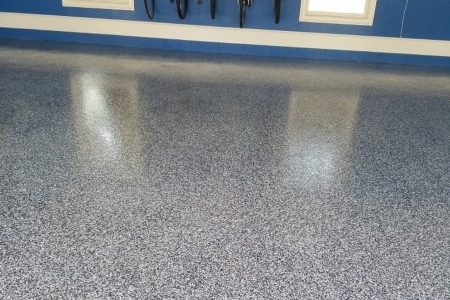
Choosing a coating for your Sarasota garage means considering more than color. Gulf Coast heat, humidity, and sunlight make the coating system and installation process important. Epoxy, polyaspartic, and polyurea each have different characteristics, and they can sometimes work together in the same floor. Understanding those differences helps you choose a finish that fits your garage and your schedule.
What's the Difference Between These Coatings?
Epoxy flooring is commonly used as a durable base for garage floor systems. It provides a foundation for decorative flakes and a compatible protective topcoat. Traditional epoxy generally offers more working time during installation than fast-curing alternatives, but it typically requires a longer wait between application and use.
Polyurea describes a broad family of coatings with properties that vary by formulation. Some cure extremely quickly, making professional application particularly important. The word “polyurea” alone does not establish a product's working time, sunlight resistance, or suitability for your concrete.
Polyaspartic is a type of polyurea coating commonly used for fast-curing, protective floor finishes. Our polyaspartic floor system can combine an epoxy base, decorative flakes, and a polyaspartic topcoat. Rather than choosing a floor by one material name, look at the complete system being installed.
Cure Time: When Can You Use Your Garage Again?
Polyaspartic and other fast-curing polyurea products can shorten the installation schedule compared with traditional epoxy systems. However, installation time and return-to-service time are different. A floor that is ready to walk on may still need additional curing before you park a vehicle or move heavy equipment onto it.
The actual schedule depends on the products, concrete preparation, repairs, temperature, and humidity. An epoxy-base system also needs the appropriate curing time before subsequent layers are applied. Ask your installer for separate instructions for foot traffic, moving belongings back, and vehicle use rather than assuming every floor is ready the same day.
How Gulf Coast Heat and Humidity Affect Installation
Hot conditions can shorten a coating's working time, leaving less time to mix, spread, and finish the material. Humidity and condensation also matter. Installers must check that air and slab conditions meet the selected product's application requirements.
Moisture within the concrete is a separate concern from humid air. A slab can appear dry while still transmitting moisture that affects coating adhesion. Before choosing a system, discuss moisture testing and whether additional treatment is needed. Our moisture vapor barrier and surface preparation services address these considerations as part of planning a suitable installation.
UV Exposure: Will the Floor Yellow or Fade?
Sunlight reaches garage floors through open doors and windows. Traditional epoxy can yellow or change appearance with UV exposure, particularly where sunlight regularly hits the surface. A compatible UV-resistant topcoat is an important consideration when choosing the finished system.
Aliphatic polyaspartic topcoats are commonly selected for their resistance to UV-related yellowing. Other polyurea products vary, so a quote that simply says “polyurea” does not tell you how the finish will respond to sunlight. Ask which product forms the exposed surface and what its manufacturer states about UV performance. A protective topcoat does not make every underlying material immune to discoloration.
How Our Garage Floor Coating Process Works
At Kwekel Epoxy Floors, our published epoxy-flake and polyaspartic process starts with diamond grinding to prepare the concrete, followed by thorough cleaning. We address cracks and surface imperfections before applying the coating layers.
For this system, we apply a 100% solids epoxy base and broadcast decorative flakes into the wet coating. After the epoxy cures and the surface is prepared for the next layer, we apply an 85% solids polyaspartic topcoat. This combines an epoxy foundation with a decorative finish and a protective wear surface.
Which System Is Right for Your Garage?
The best choice depends on your concrete, sunlight exposure, preferred appearance, and how soon you need to use the space. Preparation and product compatibility matter just as much as the coating name. Compare the proposed base coat, decorative layer, topcoat, moisture requirements, and curing instructions before deciding.
For help planning your project, explore our Sarasota garage floor coating cost guide or contact Kwekel Epoxy Floors. We'll discuss your goals and recommend a system suited to your garage.